







 Kiran Deep
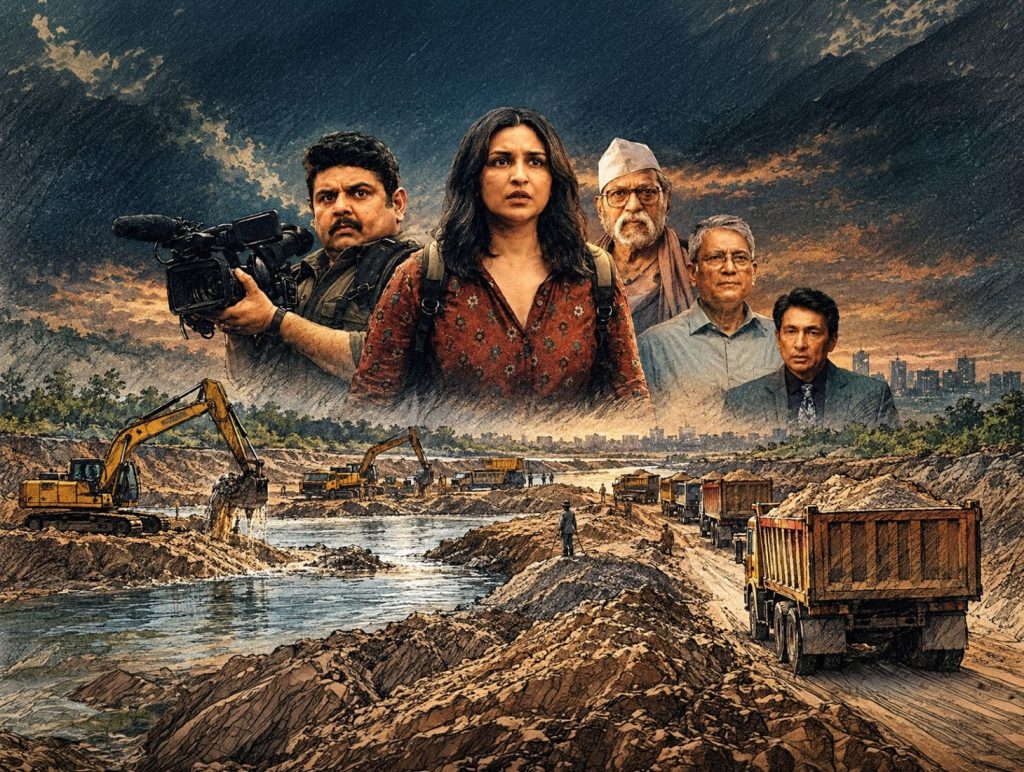

Watching Reporting Live on Netflix brought back memories of my own experience reporting on illegal sand and stone mining along the Yamuna in Haryana. The film, starring Parineeti Chopra, explores the risks journalists face while exposing powerful interests and the difficult decisions editors must make when truth clashes with pressure.
For me, it was more than a film about journalism. It was a reminder of a night when I stood beside a road used by trucks carrying illegally mined sand, unsure whether the person assigned to film me would step out of the car.
It was around 11.30 pm. I was working for a news channel linked to a national weekly magazine and had gone to the Yamuna belt to report on illegal mining. Carrying the channel’s mic, I stepped out of the car to record a walk-through as trucks loaded with sand crossed a small bridge.
I expected the cameraman to follow me. But he stayed inside the vehicle. When I asked why, he replied: “Sir, you are not married and are alone. But I have a family. I have a small child and a wife.”
I understood his concern. Reporting from such places can be dangerous, particularly when powerful interests may be involved. I asked him to remain in the car and film the trucks while I continued the walk-through. An intern was also with us.
It took considerable effort to capture the footage. The report highlighted the dangers posed by illegal mining including the potential impact on the Yamuna’s flow and the risk of flooding in low-lying areas. I waited for days, but the story was never telecast. It had been compromised.
I had also reported on mining along the Yamuna and similar issues in Punjab and Himachal Pradesh for other newspapers and television channels. Although these reports were published, some did not receive the prominence they deserved. Illegal mining remains a stark reality that demands serious attention and action at both the state and central levels.
During the monsoon, low-lying areas experienced flooding and damage. I cannot say that broadcasting our report would have prevented those consequences. But the experience reinforced my concern that illegal mining and environmental damage deserve sustained scrutiny, rather than attention only when a disaster strikes.
Reporting Live is not the only film to explore journalism. Others, including Page 3, Peepli Live, Bhakshak, The Sabarmati Report and New Delhi Times, examine different aspects of the media, from sensationalism and commercial pressures to investigative reporting, political interference and the pursuit of truth. Together, they offer a perspective on journalism’s role as the fourth pillar of democracy and its responsibility to society.
‘Reporting Live’ and risks of investigative journalism
In Reporting Live, Parineeti Chopra plays a journalist who investigates illegal mining and anchors the report. Deven Bhojani plays a video journalist, while Adil Hussain portrays the editor. The film’s other cast members include Amol Palekar, Shekhar Suman, Nassar, Saswata Chatterjee, Pitobash Tripathy, Prachee Shah Paandya and Sameer Kochhar.
The film depicts a world in which the mining mafia, powerful business interests and pressure from within the media threaten the pursuit of truth. Its fictional narrative takes the danger to a tragic extreme, showing how far the consequences of exposing powerful people can go.
The film also raises a question familiar to journalists, what happens when the evidence is ready, but the decision to publish rests with someone else?
A reporter may spend days gathering information, approaching sources and documenting wrongdoing. Yet the final decision often lies with an editor or management, who must weigh the public interest against commercial, political or personal pressures.
That does not mean every delayed or unpublished story is the result of interference. Newsrooms have legitimate reasons to verify facts, seek responses and assess legal risks. But when pressure overrides the public interest, important journalism can suffer.
The story eventually went on air after editor Adil Hussain decided to run it. That decision is significant because investigative journalism often depends not only on a reporter’s willingness to pursue a story but also on an editor’s readiness to publish or broadcast it.
The decision by Adil Hussain’s character to run the story in Reporting Live reflects the responsibility editors carry. Journalists on the ground may take risks to establish facts, but those efforts can reach the public only when news organisations are willing to stand by credible reporting.
The film’s tragic ending is a dramatic portrayal of the dangers faced by investigative reporters. Real life is not always so bleak. Many journalists continue to expose wrongdoing, and their work sometimes leads to public recognition and greater scrutiny. But the risks and pressures remain real.
A must-watch for journalists
Reporting Live is worth watching for journalists, aspiring reporters and activists working to expose wrongdoing. It reminds us that investigative journalism demands courage, patience, verification and the support of responsible editors.
My experience along the Yamuna remains a reminder that reporting can begin with one person stepping out of a car into the dark. Whether the story reaches the public may depend on many others, including the editor who decides to put it on air.
That decision can make all the difference.
Environmental issue
Illegal sand and stone mining is not merely a matter of extracting minerals without permission. Depending on its location and scale, it can damage riverbeds, wetlands, forests and wildlife habitats. It can also affect river flows and increase environmental vulnerability, including the risk of erosion and flooding in some areas.
Governments spend crores of rupees on flood prevention, relief and rehabilitation. Yet environmental protection and enforcement against illegal extraction do not always receive the sustained attention they require.
Mining operations can involve powerful financial interests. Allegations of collusion between mining operators and people in the police, administration or politics must be investigated on evidence, not assumption. Where wrongdoing is established, accountability is essential.
At the same time, it would be unfair to paint the entire system with one brush. There are honest officials, police personnel, politicians, journalists and media professionals who continue to do their jobs despite pressure. Their work offers hope that institutions can be strengthened and wrongdoing exposed.
Four former chief ministers, including Mamata Banerjee, Arvind Kejriwal, Pinarayi Vijayan and Manik Sarkar, were…
New Delhi, October 10 Delhi Police have detained three prominent leaders of the Cockroach Janta…
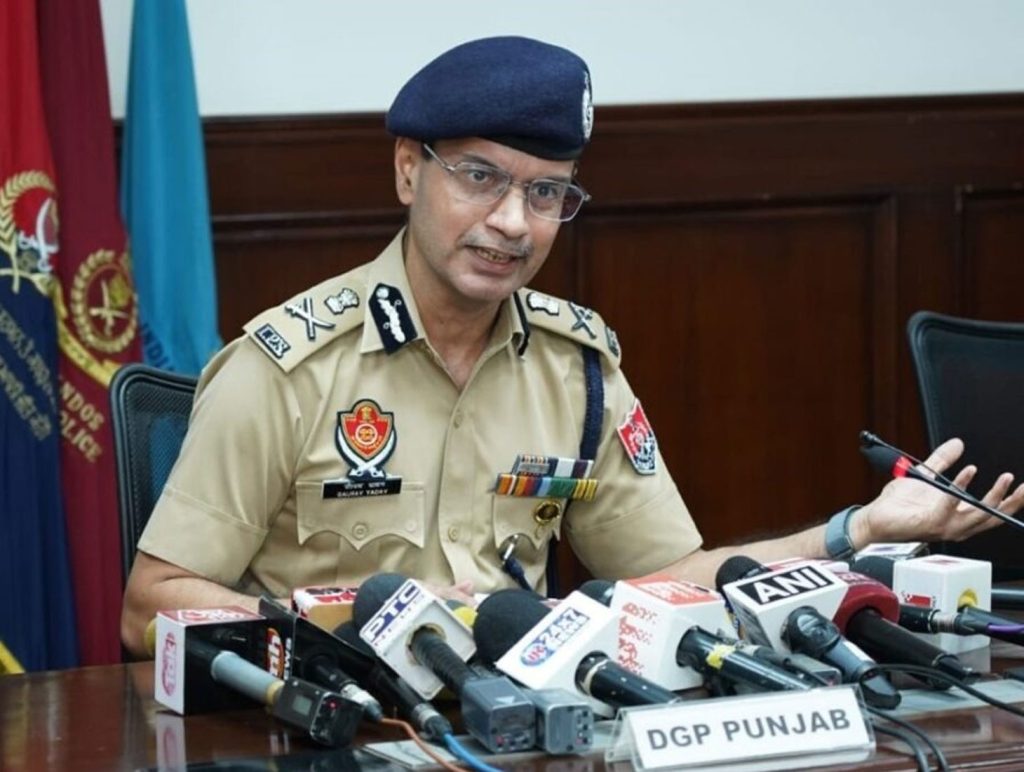
The Punjab government on Friday appointed 1992-batch IPS officer Gaurav Yadav as the state’s regular…
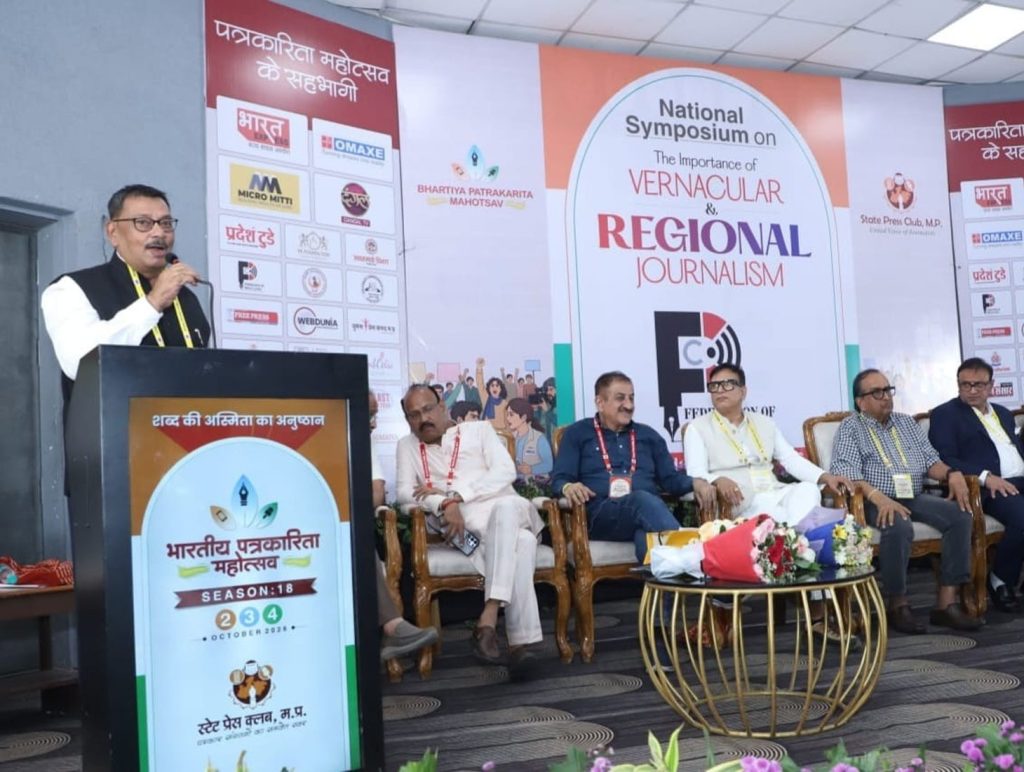
The Federation of Press Clubs has called for a structured system of free legal aid…