







 Damini Sharma
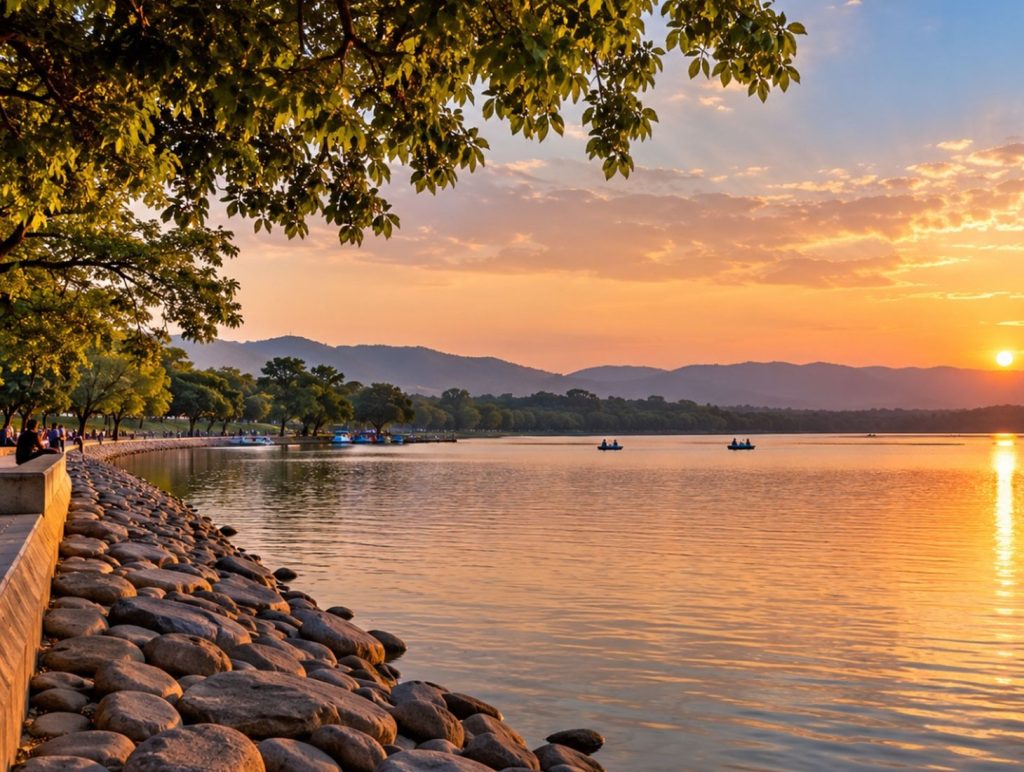
Born in Himachal Pradesh, I find comfort in Chandigarh’s Sukhna Lake, where birds, water and the surrounding hills offer an escape from the demands of everyday life.
I have been in love with nature for as long as I can remember. Birds, particularly house sparrows, parrots and peacocks, have always fascinated me. So have rivers and mountains. Born in Himachal Pradesh, I grew up surrounded by landscapes that made me feel connected to the natural world.
My schooling and college years took me to different parts of the state, deepening that bond. Nature, in its purest form, seemed to be everywhere. I did not always have to look for it. I could feel its presence around me.
Moving to Chandigarh changed that relationship in one important way. In a busy city, I began looking for places where I could slow down, find solace and feel at peace. Sukhna Lake became one such refuge.
Set against the Shivalik hills, the lake offers a landscape of water, wooded slopes and open skies. Its appeal changes with the seasons, but for me, its greatest attraction is the birdlife. During winter, migratory birds join the species that live in or visit the area throughout the year, turning the lakeshore into a place of quiet fascination for birdwatchers and nature lovers.
On a visit last year, I spent time exploring the area before heading to the lake. The birds I encountered made the experience memorable. Their colours, shapes and distinctive markings held my attention. For a while, the usual demands of the day seemed distant, and time appeared to stand still.
It is difficult to explain the pleasure of simply watching birds. Each species has its own character, its own patterns of movement and its own place in the natural world. Observing them brings a sense of wonder at the variety of life and the intricate ways in which nature creates it.
I am now waiting for the migratory season to return. The prospect of seeing these winter visitors draws me back to the lake, where even an unhurried walk along the water can become an opportunity to notice something new.
For me, such visits are about more than watching birds or admiring the scenery. They offer a chance to step away from the pressures, emotions and routine responsibilities that accumulate in everyday life. The calm of the water, the sight of birds moving along the shore and the hills rising in the background create a space in which the mind can settle.
Sukhna Lake is not just a popular destination in Chandigarh. It is also part of a wider ecological landscape that supports a range of wildlife.
A week-long assessment by the Dehradun-based Wildlife Institute of India, conducted from November 20 to 27, 2025, recorded 16 mammal species, 132 bird species, 73 butterfly species and 13 reptile and amphibian species in Sukhna Wildlife Sanctuary. The number of recorded mammal species rose from 13 in the 2021 survey to 16 in 2025.
Researchers also documented 43 tree species, 14 shrub species and 22 herbaceous species. The survey estimated the sambar population at 603 and confirmed the presence of leopards through camera traps.
These findings underline the biodiversity that exists within and around Chandigarh, often close to the everyday lives of its residents. The lake and sanctuary provide habitats for wildlife while offering people an opportunity to experience nature without travelling far from the city.
But this natural landscape also faces challenges. The assessment highlighted inadequate natural regeneration of some native tree species and the spread of invasive plants, including eucalyptus, subabul, vilayati kikar and lantana.
The researchers have recommended restoring wetlands, removing invasive species systematically and monitoring biodiversity across seasons. Such measures are important if the area’s ecological value is to be preserved for the future.
There is urgent need to protect this landscape becomes clearer when one considers what it offers beyond its recorded species and habitats. Places such as Sukhna Lake allow people to experience the natural world at close quarters. They can also remind city dwellers that green spaces and healthy ecosystems are not luxuries, but an essential part of urban life.
Having grown up in Himachal Pradesh, I have always felt that nature provides a kind of reassurance that is difficult to find elsewhere. The mountains, rivers and birds of my childhood shaped that feeling. In Chandigarh, Sukhna Lake has become a place where I can reconnect with it.
I return for the birds, the water and the quiet presence of the hills. I also return for the feeling that, for a little while, there is no need to rush anywhere.
Sometimes, all that is needed is a lakeshore, a flock of birds and the time to watch them.
The first time I stepped into a dandiya celebration in Vadodara, I realised how a…

Dear gentle reader, Single, still a hopeless romantic. I sometimes wonder if my own love…
Raghveer Chauhan, who has been working at Captain Amarinder Singh’s Moti Mahal in Patiala for…
Artists come together through different forms, colours and stories, creating an exhibition that asks visitors…