








 The North News
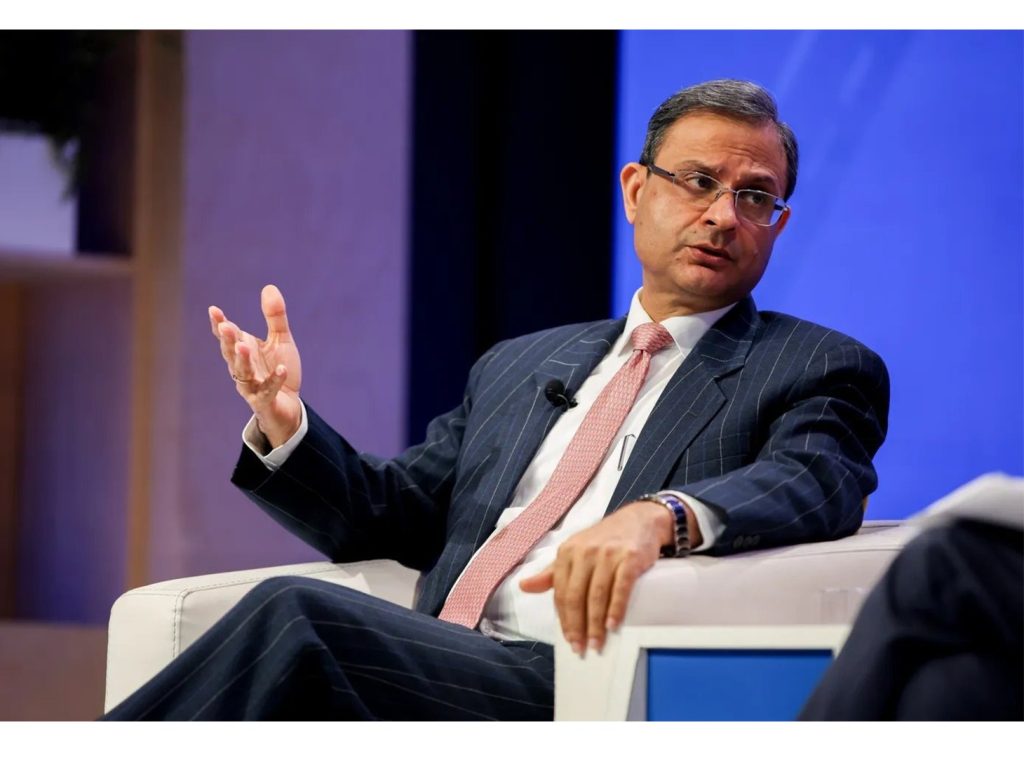
The Reserve Bank of India (RBI) raised the repo rate by 25 basis points to 5.5 percent on Wednesday, citing inflationary pressures, higher oil prices and a weaker rupee. The Monetary Policy Committee (MPC), headed by Governor Sanjay Malhotra, took the decision unanimously, marking the first repo rate hike since February 2023.
The repo rate, at which the central bank lends to commercial banks, rose from 5.25 percent to 5.5 percent in line with market expectations.
Addressing the MPC, Malhotra said global inflation was expected to rise, while trade uncertainty continued. He said global sentiment remained fragile and warned that the Iran war could disrupt trade and supply chains.
At the same time, Malhotra said the Indian economy remained strong and was expected to stay resilient. He indicated that rate cuts were unlikely in the near term.
The RBI also changed its monetary policy stance from “neutral” to “calibrated tightening”, marking the first such shift since 2018. While a neutral stance allowed flexibility based on inflation and growth conditions, the new stance indicated a greater focus on inflationary pressures. The RBI said it could not rule out another rate hike if inflation risks worsened.
The central bank raised its core inflation forecast for the current financial year to 4.4 percent from 4.3 percent earlier. Despite the rate hike, it also raised its real GDP growth forecast to 7.1 percent from 6.7 percent.
The RBI said economic activity had maintained momentum during the July-September quarter. Manufacturing activity remained steady despite cost pressures, while the services sector continued to show broad-based growth. Fixed investment also remained strong, with private consumption and investment expected to support growth. Net exports remained positive.
The central bank, however, flagged weakness in non-durable goods and domestic air traffic. Supply chain disruptions could affect growth, while a weak monsoon and the possibility of an El Nino event could impact the Rabi season. Rural and urban demand was expected to remain sustained.
Mehta said domestic demand and India’s growth fundamentals remained supportive despite the challenging global environment and supply-chain disruptions. He said a calibrated monetary policy approach, along with continued efforts to ease supply-side constraints, would be important to sustain industrial investment and manufacturing momentum.
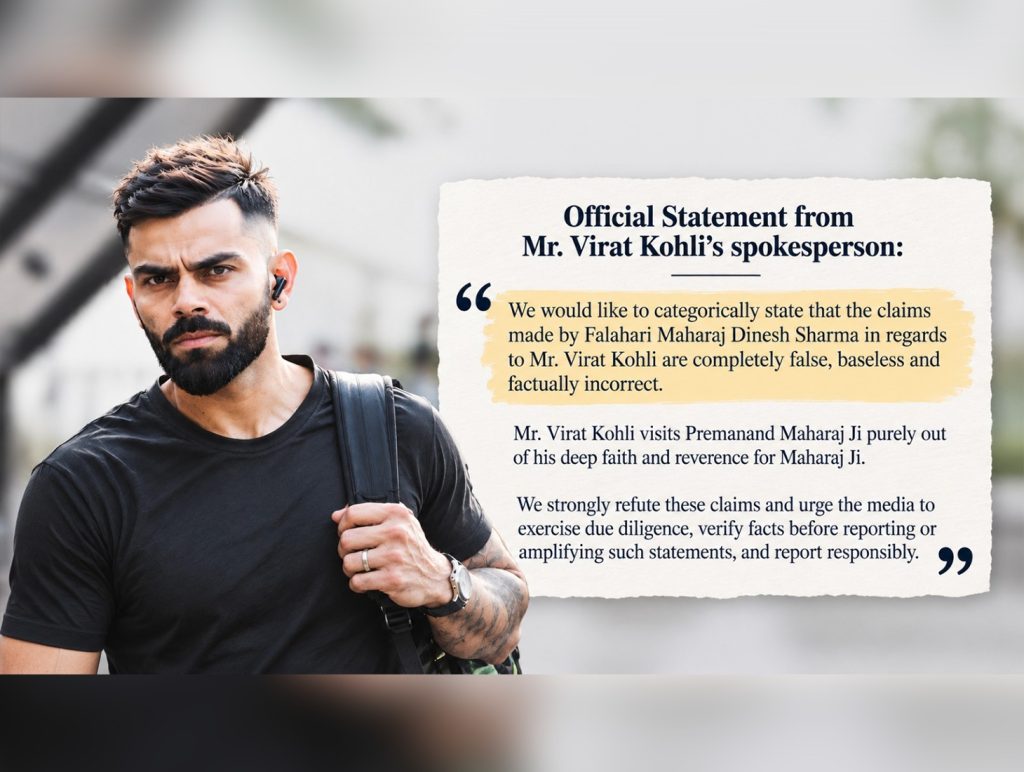
Virat Kohli’s spokesperson on Wednesday rejected claims that the former India captain was paid Rs…
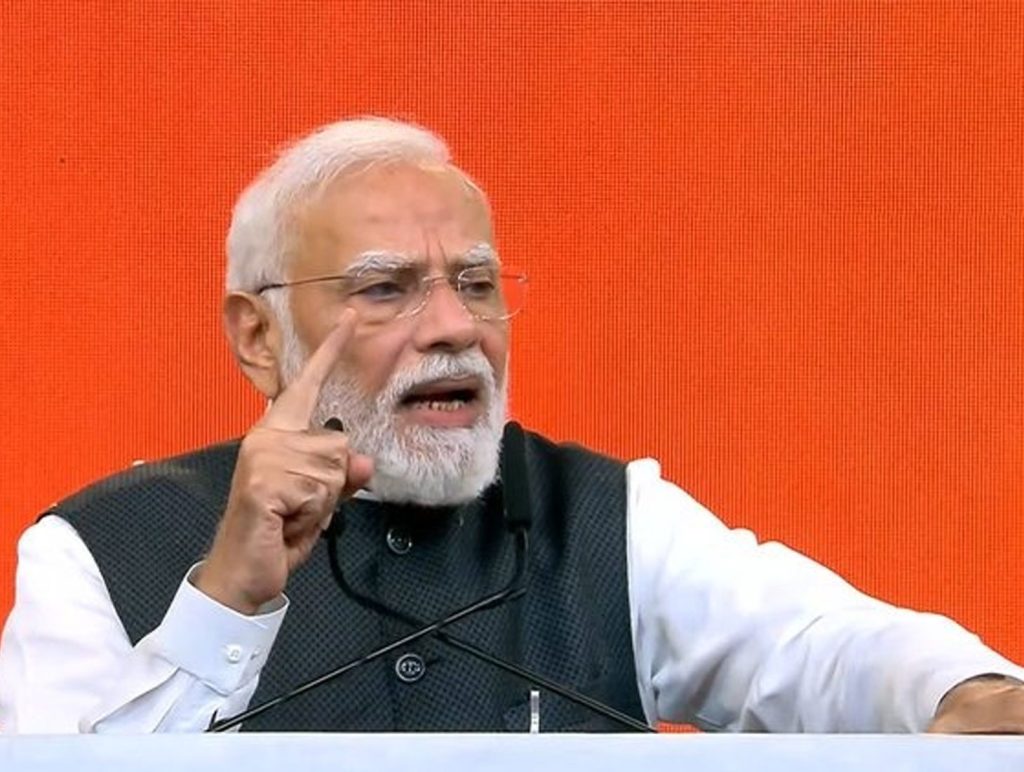
Prime Minister Narendra Modi renewed his pledge to make India a developed nation by 2047,…